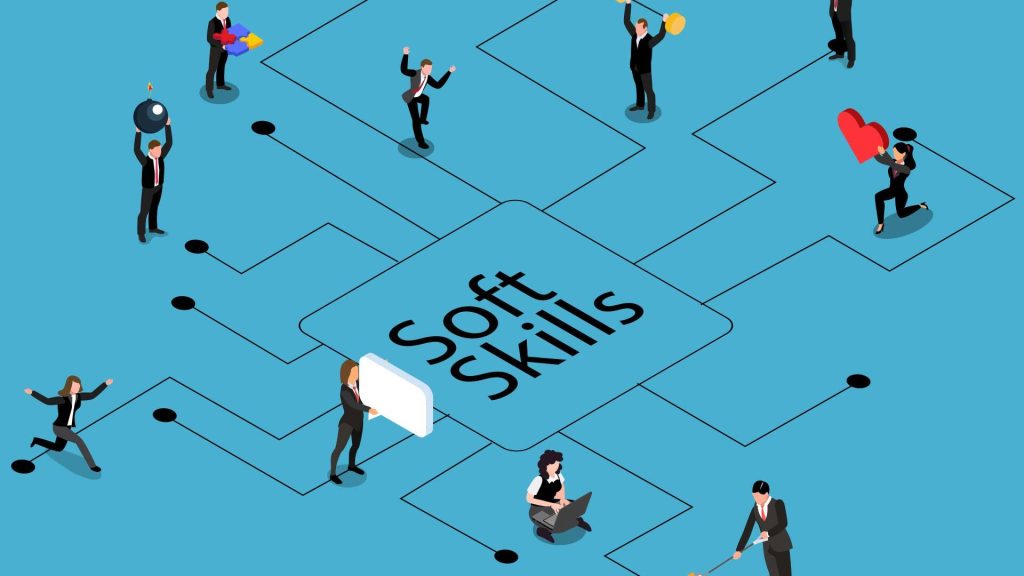
In today’s fast-changing tech scene, staying in touch, building relationships, or adjusting quickly matters way more. Though hard skills used to rule the work environment, offices now focus on broader ways to grow people. Because of this shift, learning social abilities, emotional smarts, or teamwork plays a key role in thriving no matter the job field.
Come 2026, companies everywhere are seeing how traits like clear speaking, working well with others, tackling issues, guiding teams, and understanding feelings set top workers apart. This post looks at why these abilities matter, what perks they offer both people and workplaces, yet which training programs stand out this year. It also shows how boosting these skills isn’t just helpful – but smart strategy for growth.
What Are Soft Skills?
Soft skills mean the way people think, act, or connect when dealing with others in various scenarios. Instead of being tied to one role like hard skills, these traits pop up across jobs and aren’t easily scored on a test. These behaviors shape how workers handle office dynamics or adjust when things shift unexpectedly. They’re key for guiding groups, building trust, plus solving problems without fixed rules.
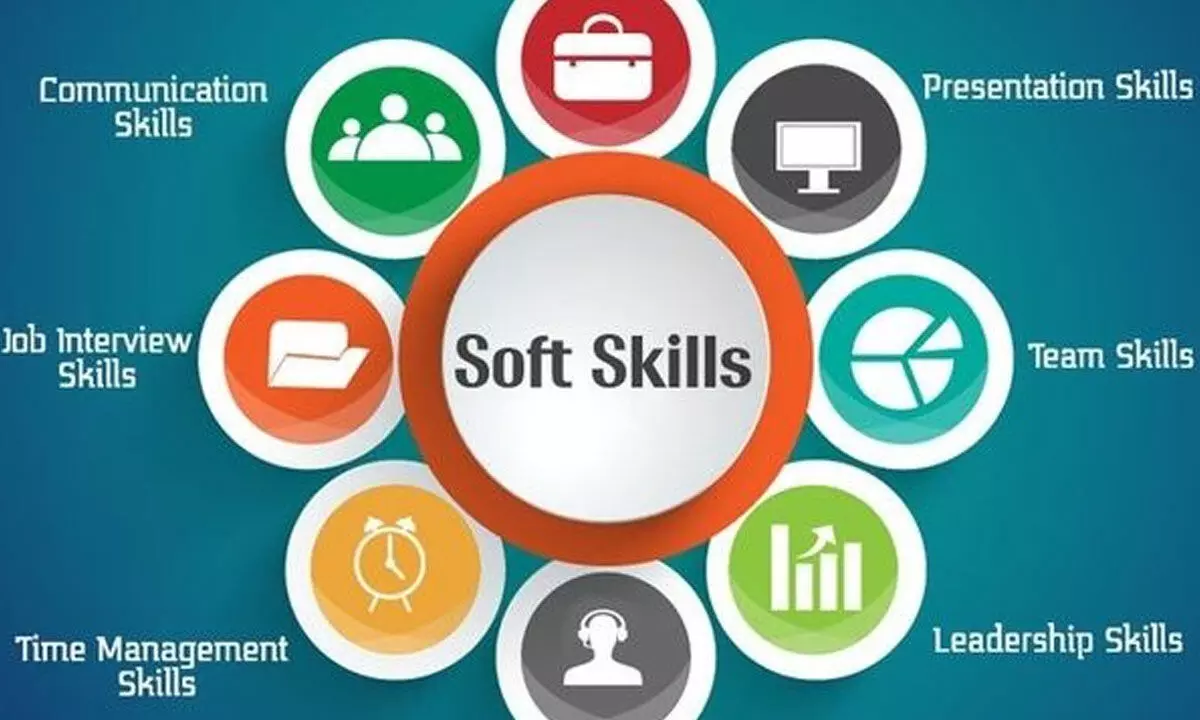
Among the key soft skills by 2026 are:
Talking plus paying attention
Collaboration and teamwork
Emotional intelligence
Adaptability and resilience
Figuring things out but also questioning how they work
Conflict resolution
Leadership and influence
Handling time well also staying tidy
These abilities make up the basics for doing well at work – no matter your job or field.
Why Soft Skills Training Is More Important Than Ever in 2026
The office scene in 2026 runs on mixed setups – some remote, some in-person – with smart tech shaping how things get done. Because machines now manage routine jobs, people focus more on thinking, connecting, alongside creating value. Teams bring together varied backgrounds while roles shift faster than before. Instead of just doing tasks, workers adapt, collaborate, or solve complex issues.
Here’s why Soft Skills Training is more essential than ever:
- AI and Automation Make Human Skills More Valuable
Computers handle info quickly – yet they miss things like care, deep thought, or original ideas. Workers who communicate well help connect people and tech.
- Global Teams Require Strong Communication
Folks spread out worldwide need to get on the same page – understanding each other’s backgrounds helps them work better together.
- Leadership Is Becoming More People-Centered
The new kind of boss can’t just give orders. They need to understand feelings, guide their team, also adjust fast when things change.
- Customer Expectations Are Higher
From service to sales or even support, staff who connect well with people tend to leave a lasting impression on customers.
- Hybrid Work Demands Self-Management
Handling time well, taking responsibility, or showing drive matters a lot when no one’s watching closely.
Because of this, companies now focus on teaching soft skills so workers can form flexible, tough teams ready for what’s next – using better ways to connect people through learning.
Key Benefits of Soft Skills Training
Soft skills coaching changes lives – for people, for teams. Check out these game-changing perks:
- Enhanced Communication
Workers pick up how to share thoughts plainly, pay attention when others talk, yet tweak their way of speaking depending on who they’re talking to. That cuts down confusion while boosting how well a group works together.
- Stronger Team Collaboration
Practice makes teamwork smoother, while opening minds to different views – handling clashes calmly along the way.
- Increased Employee Productivity
Good planning helps workers stay on track. Instead of rushing, they tackle tasks one by one. This way, choices come easier. Focus improves when clutter is cleared. Results show up faster without delays piling up.
- Improved Leadership Capabilities
Soft skills practice builds better judgment, helps you understand feelings, lets you share tasks easily, also improves guiding others – traits that matter most for those stepping into leadership roles.
- Better Customer Engagement
Folks who learn how to listen well, talk clearly, or handle tough situations tend to make customers feel better during chats.
- Higher Adaptability
When workplaces shift, staff who’ve got solid people smarts adapt without panic – using grit to stay steady through shifts.
- Boosted Workplace Culture
Good communication helps teams treat each other with dignity, share openly, work together smoothly, while always improving step by step.
These perks show why companies are spending big on soft skills classes – ones that help workers no matter their role.
Soft Skills Training for Employees: A 2026 Priority
Teams in 2026 see how workers strong in communication also bring fresh ideas, adjust fast, or lead others – so teaching these abilities moved from nice-to-have to must-do.
Here’s why it’s now front and center – shifting demands, growing pressure from users, so teams had to act fast; outdated systems can’t keep up anymore, which pushes change even harder
1. Prepares people for jobs that’ll matter tomorrow
When jobs change, personal abilities help workers stay up-to-date while handling fresh tasks – so they adapt without falling behind.
2. Strengthens Organizational Performance
Groups talk more clearly, tackle issues quicker – so teamwork improves. While sharing ideas flows easier, results come sooner since trust builds fast.
3. Helps keep staff longer
Workers given chances to grow tend to stick around because they sense appreciation.
4. Fits what the company wants to achieve
Good communication helps improve how customers feel about a brand, strengthens team leads over time, also sparks fresh ideas now and then.
By 2026, businesses see people skills as a key edge that drives lasting wins.
Best Soft Skills Training Courses to Consider in 2026
Picking the right course can really change how well you learn. In 2026, top soft skills programs focus on hands-on practice, real tasks, yet tackle everyday work issues.
Check out these top course picks:
- Communication Skills Training
Covers speaking, writing, body language, also online messaging – helps you get understood better or make your point stick.
- Emotional Intelligence (EQ) Training
Teaches workers how to handle feelings, deal with pressure, while improving connections at work.
- Leadership & Management Skills
Teaches bosses and future team leads how to guide others, make choices, hand off tasks – while handling disagreements smoothly through practical methods instead of theory.
- Critical Thinking & Problem-Solving Courses
Boost how you think things through, while building clearer ways to solve problems – so choices make more sense when it’s time to act.
- Team Collaboration & Conflict Management
Builds better team play, encourages working together through tough moments, while sorting out disagreements in a good way.
- Time Management & Productivity Training
Better focus, smoother setup – also keeps things moving in mixed work settings.
- Customer Service & Client Interaction Skills
Better at hearing others, understanding feelings, talking clearly – also focused on fixing things together.
- Adaptability & Change Management
Gets crews ready for company changes, tech updates, or different ways of working – mixing practice with real tasks so they adapt fast but stay sharp along the way.
Every course helps build skills or boost workers’ progress.
The Future of Soft Skills: What 2026 and Beyond Will Look Like
By 2026, learning people skills will shift in fresh directions – think faster changes, real-life practice, or digital tools stepping up. You’ll see more focus on how we talk, listen, react, not just what we know
Personalized learning powered by AI
Engaging setups or hands-on situations
Watch how people act to understand them better
Continuous, bite-sized micro-learning paths
Hybrid learning environments
Coaching-oriented development programs
This forward-looking mindset keeps abilities growing while boosting job performance – using fresh methods instead of old habits, making progress feel natural without forced outcomes.
Final Thoughts
Soft skills aren’t extra anymore – they’re required. By 2026, companies focusing on soft skills development will form teams that bounce back fast, think differently, yet stay sharp amid constant shifts. Teaching these abilities lets workers express ideas clearly, take charge without hesitation, work well with others, or adjust when things change suddenly. Bosses who boost this kind of learning foster workplaces where people perform strongly while hitting big-picture goals.