
Running things well takes both imagination and clear thinking – sometimes feeling your way forward, sometimes sticking to a plan, getting people while also crunching numbers. That mix is exactly why handling teams the right way still shapes sharp leaders, tight-knit groups, and companies built to last. With jobs shifting fast, bosses now face tangled challenges, tech that never sits still, plus sky-high crew demands. Doing this job well means staying flexible, reading emotions accurately, along with knowing what matters most.
This is when mixing art and science in leadership starts making real sense. So bosses can build spaces where folks do well – but also hit clear goals. Knowing management’s technical side gives tools, routines, maybe even checklists – keeps things steady, sharp. Yet the softer piece? That hands pros empathy, originality, ways to connect – with humans who change, grow, bring different flavors every day.
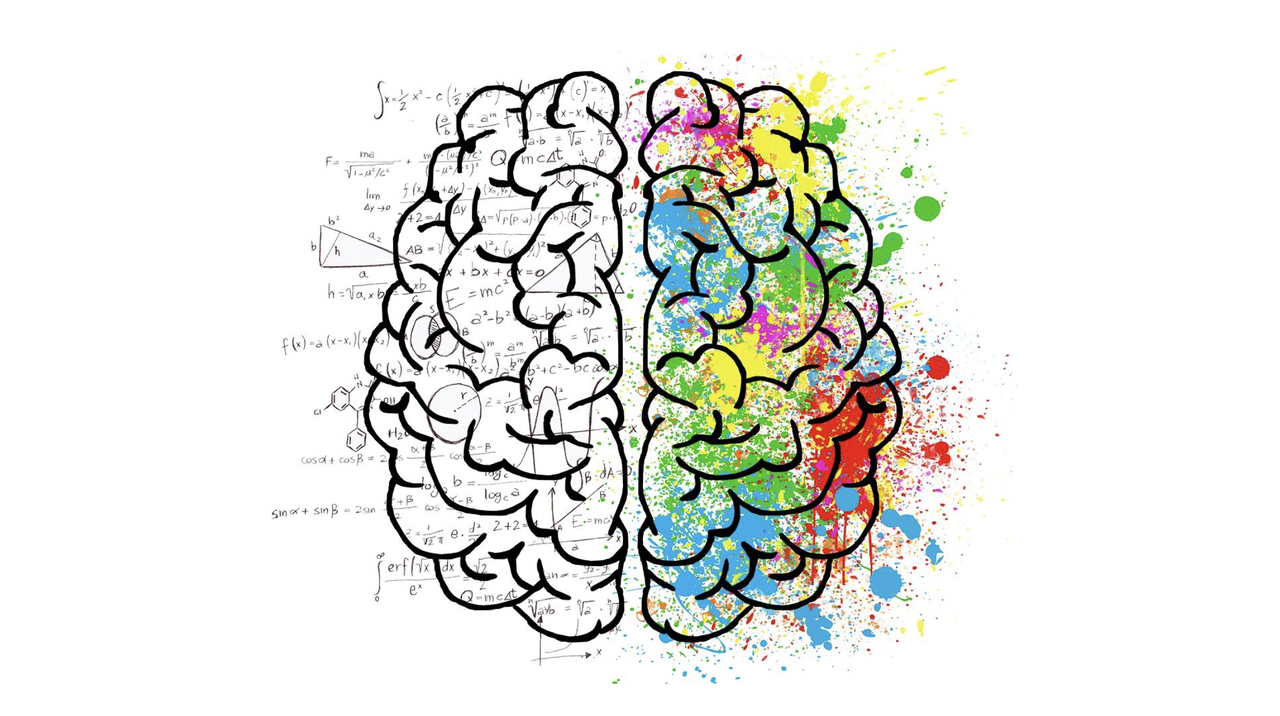
In this close look, we explain why management is part art, part science – why that’s key for today’s bosses, also how companies build these skills using smart training tools, like creative leadership courses or hands-on art-focused classes for staff.
Understanding the Science of Management
The Science of Management sets the base for strong leadership. Because it relies on studies, numbers, systems, and tested ideas, choices and results improve. While research shapes its core, real-world use keeps it practical. Though often overlooked, clear methods make a big difference. Since facts drive decisions, guesswork fades away. As patterns emerge, better actions follow naturally.
- Analytical Approach to Problem-Solving
Scientific management focuses on clear-headed reasoning, digging into problems at their source, while using proof-backed fixes. Bosses need numbers, stats, or tracking tools to grasp issues – then craft focused actions that hit the mark.
- Standardization and Process Clarity
Science adds order. With defined steps, written methods, also uniform approaches, teams stay aligned. That cuts mistakes, boosts output, while building responsibility.
- Planning, Forecasting, and Strategy
Managers need to guess what’ll be needed later, spread out supplies smartly – while shaping moves that fit the company’s targets. That’s when practical planning, based on clear methods, really matters.
- Performance Measurement and Optimization
Good leadership relies on things such as KPIs, comparing results, visual reports, or regular check-ins. That way workers keep up with goals while bosses can choose wisely.
Understanding the Art of Management
Science gives shape to how things work, yet leadership needs a human touch. That’s where managing turns more like an art than a formula. It leans on feelings, fresh thinking, staying flexible when stuff changes. Relationships matter just as much as results do.
- Leading with Empathy
Good leaders get along with others. Because they sense feelings, adjust to various characters, while building spaces where everyone fits in. Caring helps build faith, interest, also teamwork.
- Creative Problem-Solving
Some problems don’t have a number fix or fit in spreadsheets. Running things well also needs creativity, fresh angles, yet staying steady when things feel unclear.
- Inspiring and Motivating Teams
Smart leaders get people fired up, lift spirits, or keep drive alive – stuff you can’t weigh on a scale yet still pushes results forward.
- Adaptability and Intuition
Leadership means acting fast, even when details are missing. Thanks to past experiences, gut feelings guide choices during unpredictable moments.
Why Management Must Blend Art and Science
To get ahead in today’s jobs, bosses can’t just lean on one approach. Mixing different styles boosts their impact while helping the team move forward. Combining ways builds better results across the company.
- Managing People Requires More Than Data
People feel things, come from all walks of life, yet act in unexpected ways. Although numbers guide choices, it’s human ability that shapes whether plans actually work out.
- Innovation Requires Creativity and Structure
The smartest thoughts come from imagination yet grow thanks to clear steps or follow-through. That mix pushes new ideas forward.
- Today’s Workforce Expects Empathetic Leadership
Workers today expect bosses that pay attention, help them improve, while getting what they’re going through. Independence, being believed in, or room to move – these count just like abilities or how things are done.
- Complex Business Environments Demand Analytical Thinking
Firms worldwide face pressure from tech shifts plus shifting customer needs – so leaders must use smart methods like studies, trend checks, or planning tools.
The Role of Training in Developing Holistic Managers
Nowadays groups get how key it is to grow leaders mixing creative flair with logical thinking. That’s why organized teaching methods – like courses in handling arts projects – really help out.
Strengthening the Scientific Side
Training helps managers strengthen foundational skills such as:
Planning and organizing
Analytical decision-making
Strategic execution
Process optimization
Effective resource management
Strengthening the Artistic Side
Activities build how people interact along with personal habits like:
Communication
Emotional intelligence
Team motivation
Influencing skills
Conflict management
These things mix to build leaders good at running teams – also lighting a spark.
Art Management Training for Employees: Building Future-Ready Leaders
Today’s workers, particularly folks moving into boss jobs, require support to get better at steering and inspiring teammates. Training that highlights creative leadership taps into gut feelings and empathy – the kind of skills teamwork-heavy offices rely on without always noticing.
These programs help employees:
Talk better between groups
Solve disagreements by understanding feelings
Understand team dynamics
Fuel imagination while tapping into feelings
Forge real connections that grow on mutual respect
Using these abilities, workers grow into guides who lead calmly while staying focused on their goals – yet they keep things steady through careful choices.
How Training Providers Support Management Skill Development
Companies wanting better leaders usually pick trusted tools for up-to-date training. Knowxbox gives custom routes, hands-on sections, also real-life-style classes that boost creative plus technical skills in leadership.
These platforms help organizations:
Upskill managers across all levels
Give useful tips you can actually use
Enable self-paced and flexible learning
Build leadership pipelines for the future
With clear training that’s easy to use, firms build leaders who stay calm under pressure – while thinking ahead + understanding their team’s feelings.
The Future of Management: A Harmonious Blend
When workplaces focus more on people but still rely heavily on tech, managing well – both creatively and logically – will keep shaping strong leaders. Though balance matters, blending instinct with strategy helps bosses adapt fast. Because change is constant, mixing artful thinking with clear methods stays key. Even when tools evolve, understanding humans remains central to getting results.
Tomorrow’s leaders need to show:
Feeling others’ emotions – yet staying sharp with facts
Creativity boosted through clear planning
Gut feel mixed with numbers
Self-assurance built from understanding feelings
This blend supports bosses handling tough situations – boosting results while growing confidence, so crews thrive at work.
Final Thoughts
Leadership isn’t just about following steps or being naturally gifted – it’s a full approach mixing reason with imagination, structure with gut feeling, and consistency with understanding others. Companies building this mix through well-planned creative leadership courses, art management training programs, and team development sessions see better bosses, confident workers, and lasting results.
In times when people need to work well together, getting management right – both creative and logical sides – is what helps move toward lasting wins. Instead of just pushing hard, blending smarts with practice makes progress smoother over time.